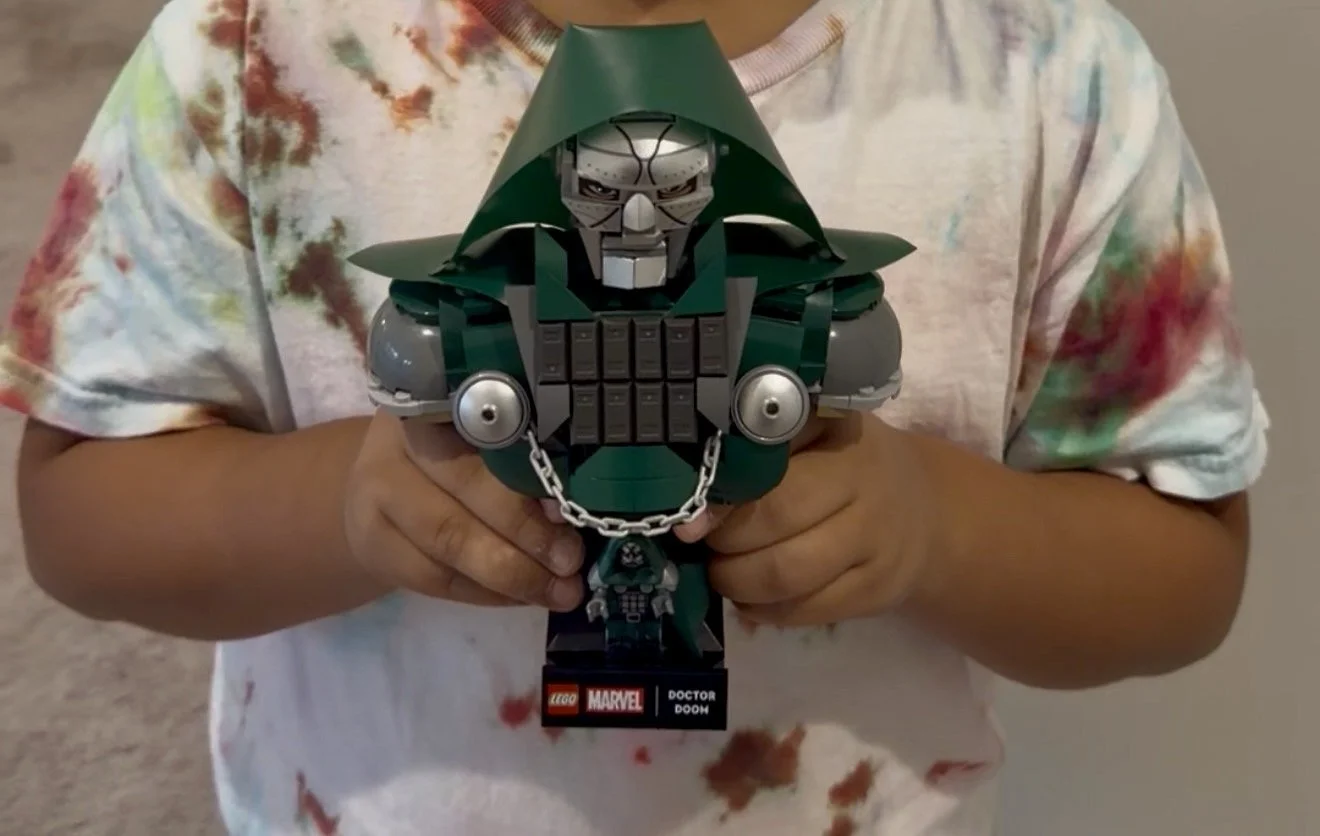
Building Confident, Self-Aware Children
-How do I create an emotionally safe home for my child?
-Why does my child struggle with confidence or self-esteem
-How can I raise a self-aware and emotionally resilient child
-How does a parent’s emotional regulation affect a child?
-What does emotionally safe parenting actually look like?
-How can I stop repeating unhealthy parenting patterns from my own childhood?
Attuned parenting does not require perfect parenting. It requires self-reflection, emotional regulation, repair, connection, and a willingness to understand how our own childhood experiences influence the way we parent.
If your family feels stuck in cycles of anxiety, conflict, behavioral challenges, parenting stress, emotional dysregulation, or disconnection, family therapy and parenting support can help.
Family and Child Roots & Wings provides evidence-based, culture-informed therapy for children, adolescents, adults, couples, and families. Our work helps parents and children strengthen relationships, understand emotional and behavioral patterns, and create greater emotional safety at home.
We serve families in Arlington Heights, Hoffman Estates, Schaumburg, Palatine, Barrington, Inverness, and surrounding Illinois communities, with telehealth available in Illinois and participating PSYPACT states.
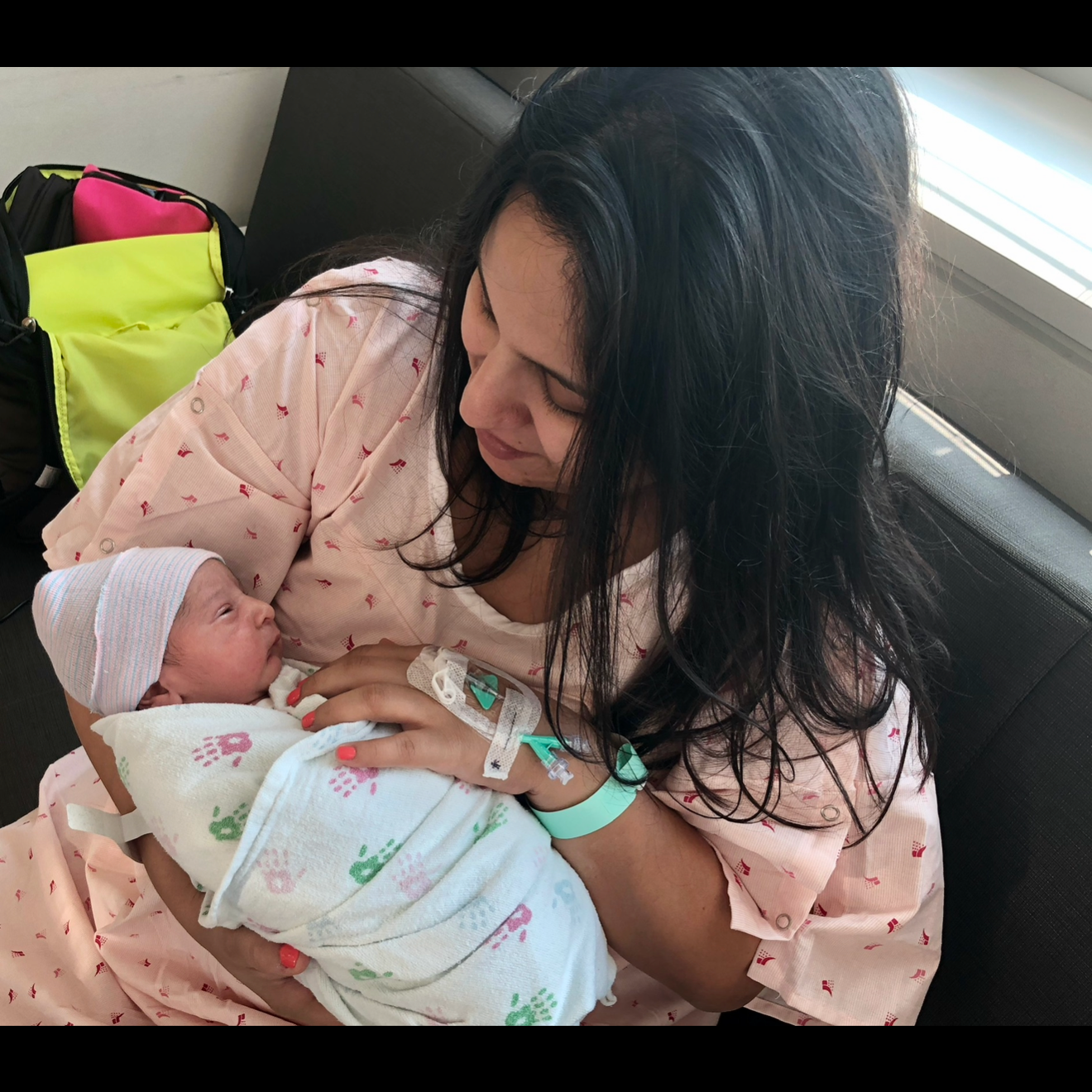
Why Mothers Should Be Connected to Mental Health Services Before the Baby Arrives
Preparing for a baby should include preparing for the emotional transition into parenthood. In my work as a clinical psychologist, I partner with pediatricians who refer expecting and new parents to therapy before concerns become crises. It has been one of the most successful approaches I have seen for supporting postpartum mental health, because parents enter the newborn stage with an established therapist, a clearer understanding of postpartum depression and anxiety, and a place to process sleep deprivation, identity changes, relationship stress, feeding concerns, and the emotional realities of becoming a parent.
Early therapy during pregnancy can help normalize the adjustment to parenthood, strengthen communication between partners, identify risk factors, and create a mental health support plan before the baby arrives. Pediatricians, OB-GYNs, family physicians, and other medical providers are in a unique position to make maternal mental health part of routine prenatal and postpartum care. When we connect parents to support early, we give families a better chance to feel supported, informed, and emotionally prepared during one of the most vulnerable transitions of their lives.
To learn more about therapy services for children or adults, or for parenting/family support, contact:
Family and Child Roots & Wings at 847-786-8222 or email drnirmeen@familyandchildrootsandwings.com

When Your Vision Is Ahead of Your Development: A Lesson From My 5-Year-Old
What happens when a child’s vision is ahead of their development? A conversation with my five-year-old about his frustration with not being able to read chapter books became a powerful lesson in parenting, child development, emotional regulation, frustration tolerance, and growth. As parents, our job isn’t always to remove discomfort or help our children get to the next milestone faster. Sometimes the most important work is helping them tolerate the space between “I want this” and “I’m not there yet.” When we validate frustration without rushing development, we teach children patience, resilience, and trust in the process of becoming. Sometimes the vision comes before the readiness. Perhaps the real growth is learning how to live in the space between who we are and who we know we can become.
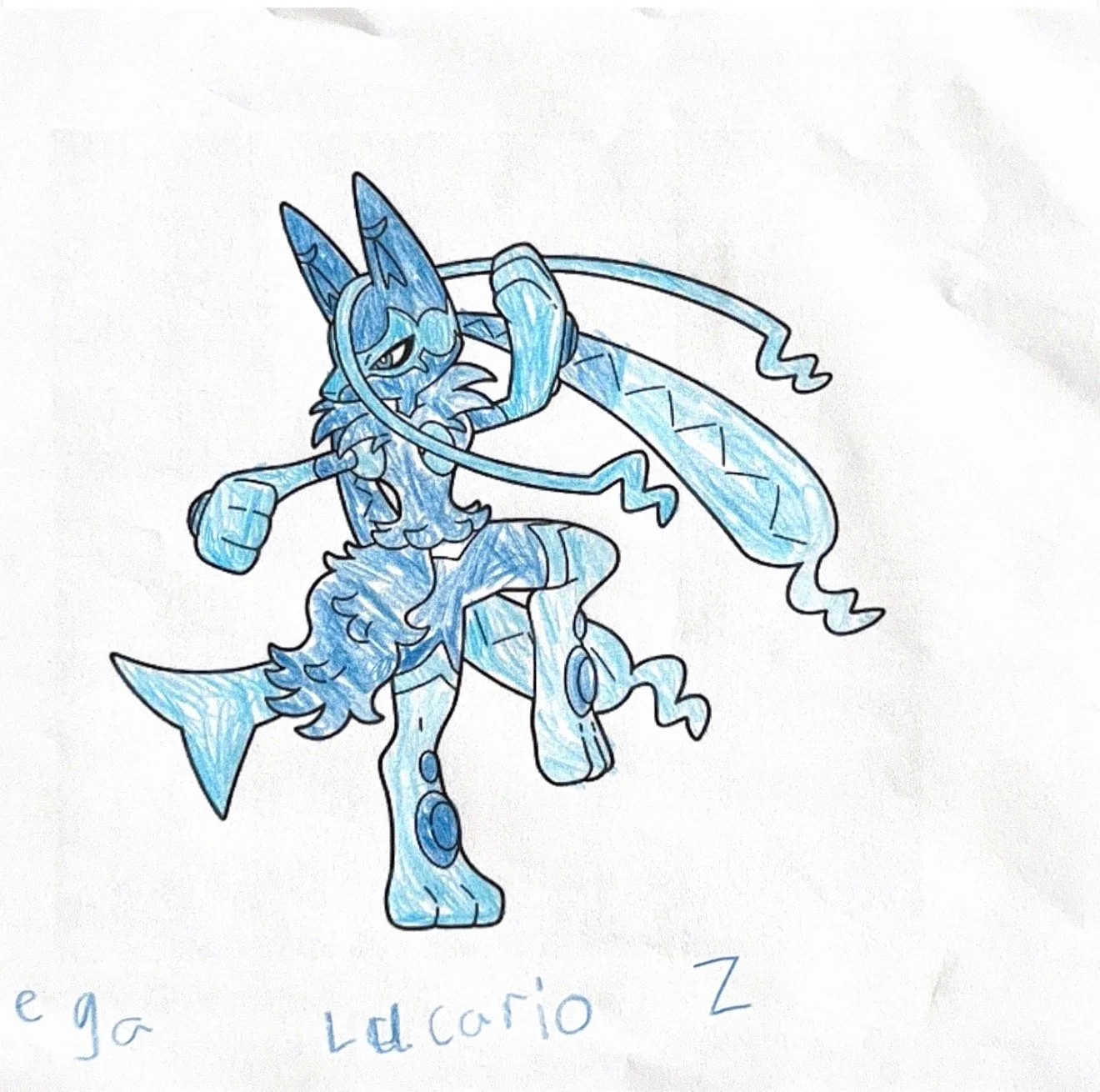
What Lucario (Pokémon) Can Teach Us About Empathy, Emotional Intelligence, and Protecting Our Energy
My eight-year-old recently introduced me to the Pokémon Lucario, and what started as a conversation about his favorite character turned into a surprisingly profound lesson about raising an empathic child, emotional intelligence, healthy boundaries, and protecting our energy.
As a Clinical Psychologist and a mom, I was fascinated by Lucario’s ability to sense the emotions and aura of others while maintaining Inner Focus. But what moved me most was hearing my son understand something many highly sensitive and empathic adults spend years learning: just because we can understand someone’s emotions doesn’t mean it is our job to change them.
I wrote this piece for my beautiful son, Kalel, to read when he is old enough to fully understand what I am saying…AND for parents raising sensitive, emotionally intelligent children, mental health professionals, and every empath trying to make the world a better place without losing themselves in the process.
What can Lucario teach us about empathy, boundaries, emotional intelligence, and knowing when someone is ready for our help? More than I ever expected from a Pokémon.
A Lesson in Grit That Even a Clinical Psychologist (Me) Needed to Learn
Sometimes the parenting lessons we know professionally are the hardest ones to practice with our own children. This week a Jiu Jitsu Instructor taught me and my 5-year old something about grit, resilience, discomfort, and when loving our children means letting them struggle.
As parents, we want to listen to our children’s feelings. But having a feeling does not always mean organizing life around it.
“I don’t feel like it” is information. It isn’t always an instruction.
“I’m uncomfortable” deserves to be heard. It doesn’t always mean we need to stop.
And sometimes, “I can’t do this” needs a trusted adult nearby saying, “I think you can.”
Read on for a very real parenting moment that reminded this clinical psychologist that raising resilient children sometimes requires us to get out of the way and let them discover just how capable they are.
Family and Child Roots & Wings. Therapy for Children, Adults, Couples and Families in Arlington Heights and Hoffman Estates, IL. Virtual for other parts of IL and PsyPact States 847-786-8222
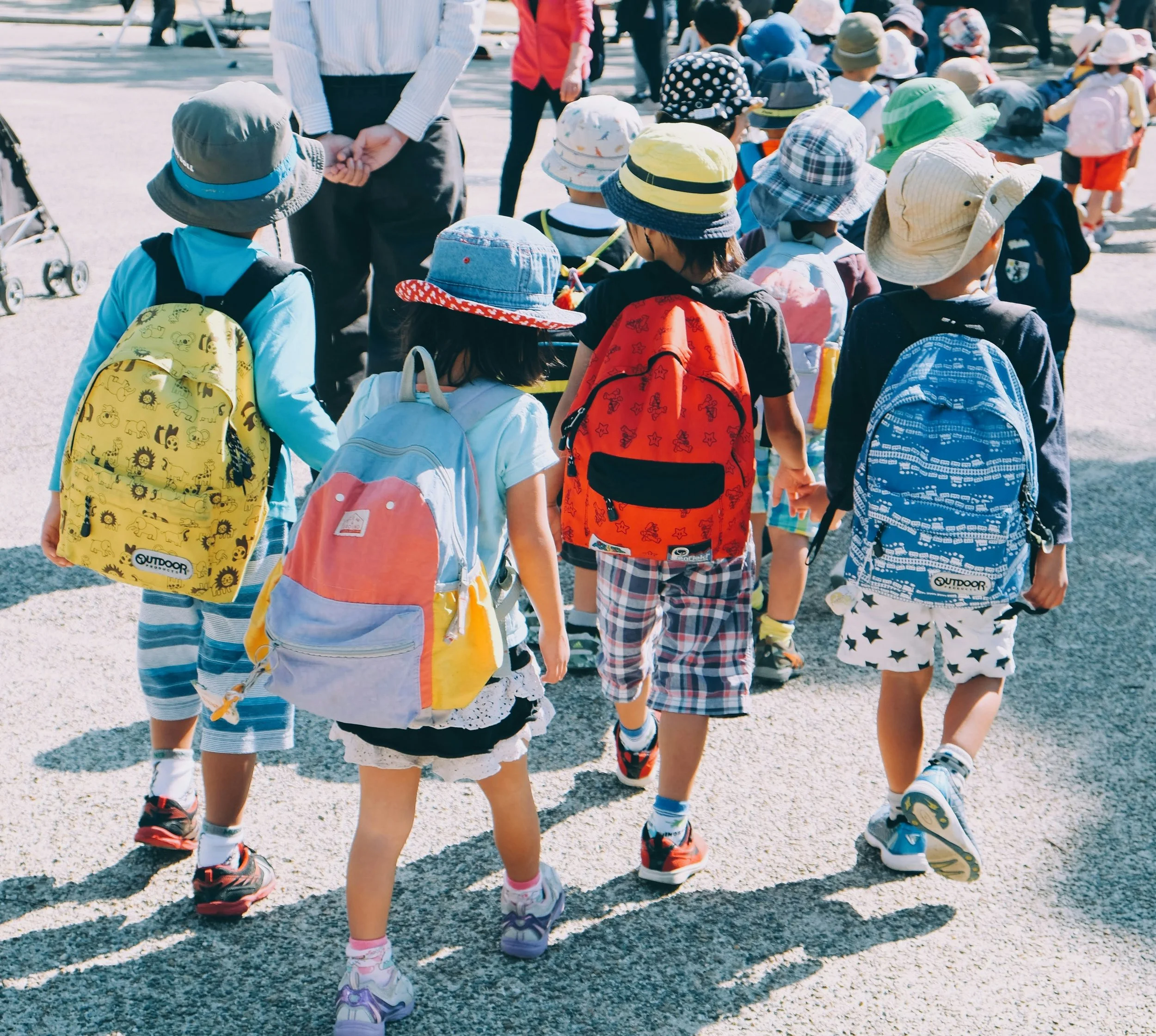
A Parent’s Guide to Helping Kids Thrive in a New School Year
The start of a new school year can bring excitement, anticipation, anxiety, and uncertainty for children and parents alike. Preparing successfully involves more than purchasing supplies or reviewing academic skills. Children also need support adjusting their sleep schedules, managing emotions, reconnecting with peers, developing healthy technology habits, and becoming comfortable with new teachers, routines, and expectations.
This practical parent guide explains how to help children prepare emotionally, socially, academically, and physically for the transition back to school. It includes conversation starters, routines, social-media safety guidance, strategies for supporting friendships, and signs that a parent may need to intervene in an academic or peer-related concern. Parents will also find a two-week preparation plan and a useful back-to-school toolkit designed to help children begin the year feeling secure, capable, connected, and ready to learn.

Before They Ask the Internet Who They Are: Helping Children Understand Validation, Privacy, and Social Media
Our children are growing up in a world where every moment can become content but not every meaningful moment needs an audience.
As parents, our goal isn’t simply to teach internet safety. It’s to help children develop such a strong sense of self that social media becomes a tool for expression rather than a place to search for identity.
In this guide, you’ll learn:
• Why validation is a normal human need.
• How secure attachment changes the way children seek affirmation.
• How to teach the difference between connection and validation.
• What belongs on social media versus in a journal.
• Questions every child should ask before posting.
• How to build an internal compass that lasts longer than likes.
When children feel deeply known at home, they’re less likely to ask the internet to tell them who they are.
Read the full Parent Guide at:
www.familyandchildrootsandwings.com

Let’s Talk about Jealousy -
Children learn more from what we model than from what we tell them. In this article, Clinical Psychologist, Dr. Nirmeen Rajani, explores how jealousy, comparison, and a scarcity mindset are many times rooted in survival experiences, particularly in families shaped by immigration, financial hardship, trauma, or adversity. She explains how these beliefs can unintentionally be passed from one generation to the next and offers practical strategies for parents to recognize their own emotional patterns, foster an abundance mindset, and model generosity, collaboration, and emotional health. Through self-reflection and therapy, parents can break cycles of comparison and raise children who celebrate others, build meaningful relationships, and contribute to healthier, more connected communities.

Stop Turning Friends into Competitors
Every child deserves the chance to discover who they are without feeling like they have to be someone else. When we compare children to their friends, siblings, or classmates, we unintentionally teach them that relationships are about ranking instead of belonging. Comparison quietly erodes friendship, replaces admiration with insecurity, and weakens the sense of community children naturally long for. Our uniqueness was never meant to separate us..it was meant to strengthen us. When children learn to honor both their own gifts and the gifts of others, they stop asking, “Am I better?” and begin asking, “How can we make each other stronger?” That’s how confident children grow into compassionate adults, and that’s how thriving communities are built.

There Are No Bad Kids: What Every Parent Should Know About Child Behavior
At Family and Child Roots & Wings believe every child deserves adults who see beyond behavior and recognize the human being underneath. Every child deserves parents, teachers, coaches, and therapists who ask, “What happened?” before they ask, “What’s wrong with you?” Every child deserves the chance to be deeply known, deeply respected, and deeply loved. And every parent deserves the space, support, and guidance to become the parent they long to be…to experience the profound privilege of raising a child with presence, connection, and joy.